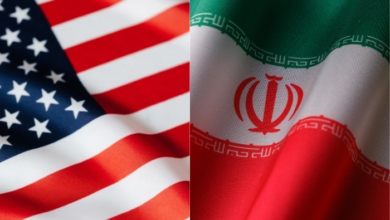
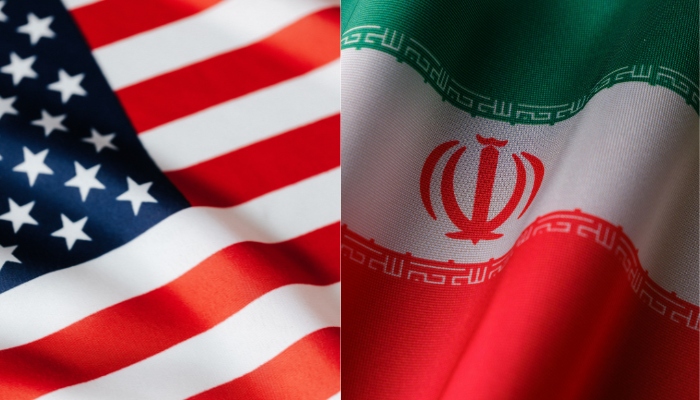
The world is watching a dramatic and confusing shift in Donald Trump’s stance on Iran. One day, he sounds ready for confrontation. The next, he pulls back and talks about a quick settlement. This sharp reversal has not only amused observers but also created uncertainty across global markets and diplomatic circles.
On June 10, Trump reportedly struck a hard line, saying, “We’re going to be striking them, striking them very hard!” But just a day later, on June 11, he appeared to reverse course, saying, “We just made a great settlement of the war with Iran… It should be done pretty quickly.” Planned military strikes were then cancelled. These were not minor changes in tone. They were completely opposite statements from the most powerful leader in the world.
So what explains this flip-flop? Many experts have their theories, but few can say with certainty what Trump’s real motive is. In my view, the biggest factor is politics, especially the November elections in the United States. Trump appears reluctant to take a hard military decision that could damage his standing with voters and affect his remaining years in office.



Why Trump Is Hesitating
There are clear reasons why the U.S. president may be wary of a full-scale war with Iran:
• Fuel prices could spike and hurt his approval ratings.
• Higher gasoline costs would hit ordinary Americans directly.
• Rising oil prices would increase electoral pressure on the White House.
• War remains deeply unpopular, especially among younger voters.
• A major conflict could trigger public anger and protests before the elections.
Trump cannot afford a situation where rising prices and angry voters work against him. At the same time, he also does not want to appear weak or unable to control Iran. That is why a limited response – a missile strike here, a warning there – may remain part of the strategy. But a full-fledged war would be politically dangerous.
Why the Elections Matter
The November 2026 midterm elections are crucial because they will decide the balance of power in Washington. Every two years, Americans vote for all 435 members of the House of Representatives and 33 Senate seats. These elections determine which party controls Congress and how much freedom the president has to push his agenda.
That control matters because it affects:
• Which laws get passed.
• How strong the president’s position remains.
• The direction of domestic and foreign policy.
• The broader balance of power in the U.S. system.
At present, Republicans hold 220 of the 435 House seats, just above the majority mark of 218. Democrats hold 213 seats. That margin is not comfortable. In the Senate, Republicans control 53 out of 100 seats, but an unfavorable result could still weaken their grip and limit Trump’s ability to govern effectively.
Watch Video
Markets Hate Uncertainty
For the global economy, uncertainty is the real problem. Oil prices, gas markets, investor sentiment, and regional stability all react sharply to every shift in U.S. policy. When Trump sends mixed signals, the world is left guessing whether war is coming or being postponed.
Some reports suggest a framework agreement is being discussed, but Iranian resistance and public opposition continue to complicate the picture. For now, the situation remains unstable. The only certainty is that uncertainty is likely to remain the new normal until the U.S. political calendar becomes clearer.
The Bigger Picture
Many people believe Trump’s flip-flop weakens his image as a decisive world leader. But it may also be a calculated effort to calm international tensions and keep oil and gas prices under control until the elections are over. If that is the strategy, then the confusion is not accidental — it is political management.
In the next phase, the bigger question will be how this uncertainty affects the Indian economy, especially energy costs, inflation, and market sentiment.