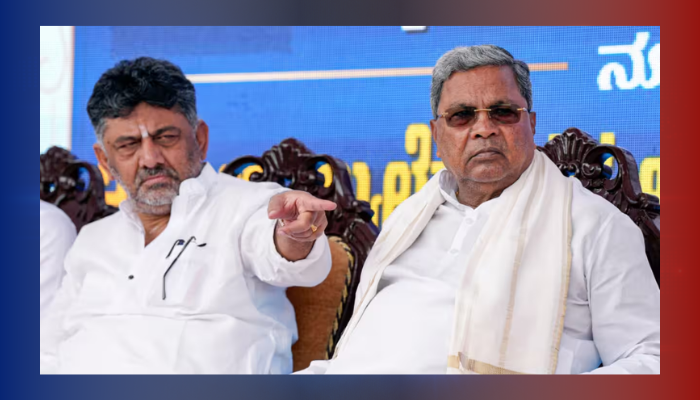
Behind the seemingly seamless transfer of power in Karnataka from Siddaramaiah to D K Shivakumar lies a high-stakes, backroom diplomatic effort. While the smooth transition surprised political observers across the country, insiders credit former minister and six-time MLA K J George as the central crisis manager who prevented a massive internal rebellion and preserved the unity of the state Congress.
The Turning Point in Delhi
The political drama peaked on May 26 when the Congress high command summoned Siddaramaiah to the national capital. Accompanied by George, a trusted lieutenant and longtime confidant, the Chief Minister entered a day-long series of intense consultations. The meeting culminated in Congress leader Rahul Gandhi formally asking Siddaramaiah to step down in favor of D K Shivakumar.
Sustainable Foods Can Still Carry Hidden Environmental Costs, Researchers Warn

A visibly shocked Siddaramaiah reportedly headed straight to George’s upscale residence in Delhi’s Sunder Nagar. Recognizing the volatility of the situation, the Congress top brass simultaneously instructed Shivakumar to remain in Delhi and advised his supporters against public celebrations, allowing the outgoing CM time to process the decision. It was George who quietly stepped in to pacify a disgruntled Siddaramaiah, managing his initial waves of unhappiness.
Diffusing a Rebel Campaign
As word of the forced resignation reached Bengaluru, tensions escalated rapidly. A faction of loyalist ministers and MLAs began pressuring Siddaramaiah to mount a resistance. Plans were floated to initiate a massive signature campaign or field senior leader G Parameshwara as a rebel candidate during the crucial Congress Legislature Party (CLP) meeting.
Sensing an imminent political crisis, the AICC leadership officially entrusted George with a delicate dual mission: persuade Siddaramaiah to execute a graceful exit and secure a consensus vote for Shivakumar as the new CLP leader.
George’s quiet diplomacy successfully neutralised the brewing revolt. On May 28, Siddaramaiah officially tendered his resignation. The following day, George utilized his private aircraft to fly Siddaramaiah and his son, Yathindra, back to Delhi for a series of damage-control meetings with Congress President Mallikarjun Kharge and Rahul Gandhi. George was notably the only other person permitted inside the room during the one-on-one session where Gandhi lauded the Kuruba strongman for abiding by the high command’s command.
Filling a Political Vacuum
Beyond personal loyalty, George also orchestrated an extended breakfast meeting between the outgoing Chief Minister and AICC General Secretary K C Venugopal to iron out future strategies and cabinet adjustments.
K. Annamalai to Quit BJP, Focus on Floating New Regional Outfit
Senior party insiders note that George is effectively stepping into the institutional vacuum created by the passing of veteran leader Oscar Fernandes—who was famously Sonia Gandhi’s go-to problem solver for Karnataka’s internal disputes. A prominent businessman with deep coffee plantation interests and a member of the AICC election committee, George’s extensive footprint in Delhi and close personal ties to the Gandhi family made him uniquely equipped for the role. His strategic mediation ultimately transformed a potentially explosive leadership transition into a dignified political handover.
Note: This is only for website layout testing